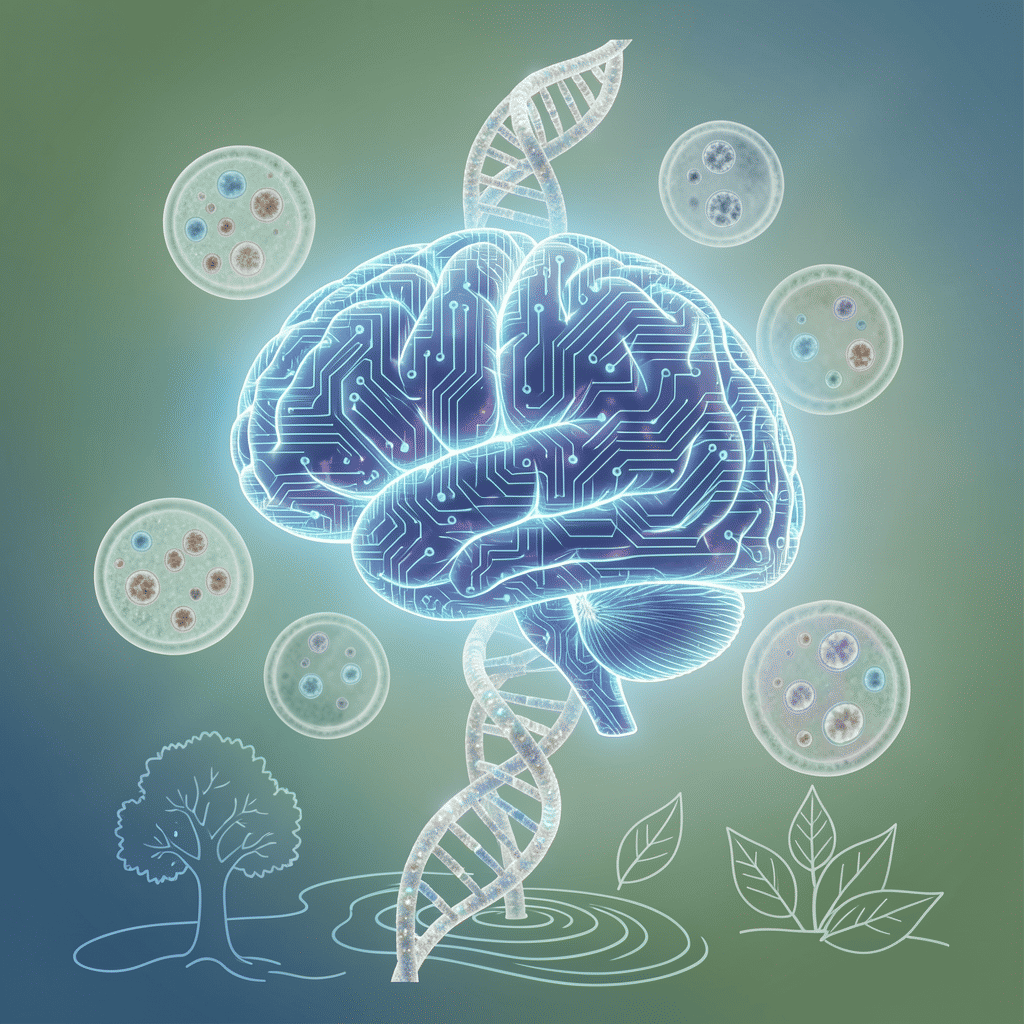
In recent years, the field of biology has witnessed a transformative shift, largely driven by the advent of artificial intelligence (AI). This breakthrough technology is not merely a novelty but a revolutionary tool that's reshaping our understanding of life in profound ways. From the intricate details of genetic research to the expansive analyses of ecosystems, AI is emerging as a critical component in biological research and applications.
At the molecular level, AI is revolutionizing genetic research. One of the most significant contributions is in the realm of genomics, where machine learning algorithms can sift through vast amounts of genomic data at unprecedented speeds. With the capability to identify patterns that elude traditional analytical methods, AI is instrumental in pinpointing genetic markers linked to diseases. This allows for the development of more targeted therapies, paving the way for personalized medicine. Furthermore, AI-driven tools facilitate the editing of genes with precision, which is not only accelerating research but also expanding possibilities in gene therapy.
AI has also played an integral role in protein folding, a complex problem that has baffled scientists for decades. Accurate prediction of protein structures is vital for understanding their function and for drug discovery. With deep learning algorithms, researchers have made significant strides in predicting protein structures, which holds immense potential for the development of new medications and therapeutic approaches.
Beyond genetics, AI is proving to be invaluable in ecological studies. Ecosystems are complex and dynamic, consisting of innumerable interactions between organisms and their environments. AI models can process data collected from various sources, such as satellite imagery, climate data, and species population surveys, to simulate ecosystems and predict changes. These predictive capabilities are crucial for conservation efforts, enabling scientists to anticipate the impacts of environmental changes and to strategize interventions.
Moreover, AI's application in biochemistry is opening new avenues for drug discovery and development. Traditional methods of drug development are time-consuming and costly. However, AI algorithms can analyze vast chemical datasets to predict interactions between drugs and biological targets. This accelerates the discovery process by identifying promising drug candidates faster and with greater accuracy, ultimately leading to more effective treatments reaching the market more swiftly.
In agriculture, AI is assisting in optimizing crop yields and managing pests and diseases. Smart sensors and drones, powered by AI, monitor fields and provide real-time data analytics, enabling farmers to make informed decisions. This technological advancement is vital for ensuring food security in the face of a growing global population and changing climate conditions.
Despite its transformative potential, the integration of AI in biology brings challenges. Ethical considerations, data privacy concerns, and the need for interdisciplinary collaboration remain critical issues. Biologists, computer scientists, and ethicists must work together to create frameworks that ensure responsible AI usage while maximizing its potential benefits.
In conclusion, AI is not merely an addition to the toolkit of biologists but a revolutionary force reshaping the landscape of biological sciences. As AI continues to evolve, its applications will undoubtedly expand, offering innovative solutions to age-old biological questions and challenges. The collaboration between AI and biology signals a new era of discovery that promises to deepen our understanding of life and enhance our ability to address some of the world's most pressing biological issues.