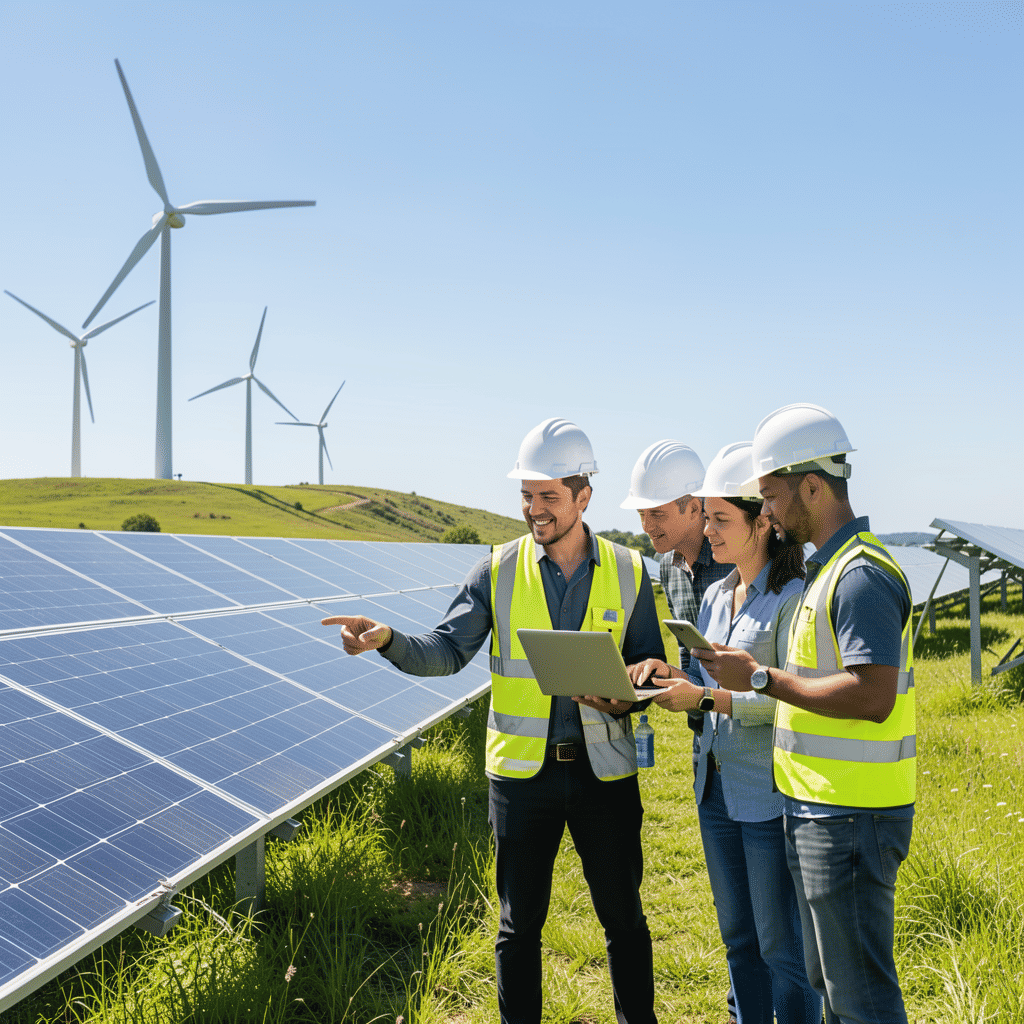
In an era where the consequences of climate change loom ever larger and the demand for energy continues to rise, the shift towards renewable energy systems has never been more crucial. As the world gradually moves away from fossil fuels, renewable energy sources offer a sustainable and efficient solution to power our planet while minimizing environmental impact.
The transition to renewable energy systems involves harnessing natural resources that are abundant and inexhaustible. Among the most prominent sources are solar, wind, hydroelectric, and geothermal energy. Each of these technologies is advancing at a remarkable pace, driven by both technological innovation and economic factors that make them increasingly feasible and attractive.
Solar energy, for instance, has made significant strides with the development of photovoltaic cells and solar thermal technologies. The declining cost of solar panels has made solar energy competitive with traditional energy sources. Advances in storage solutions, such as lithium-ion batteries, ensure that solar power can be stored and used even when the sun is not shining, enhancing its reliability as a base-load energy source.
Wind energy is another rapidly growing sector in the renewable energy landscape. Modern wind turbines are more efficient and capable of generating power even at lower wind speeds. Offshore wind farms, which capture stronger and more consistent wind currents over the ocean, are expanding globally, providing enormous potential to meet energy needs in densely populated coastal regions.
Hydroelectric power, one of the oldest forms of renewable energy, continues to play a significant role in many countries. By harnessing the kinetic energy of flowing water, hydroelectric plants can produce electricity with little to no greenhouse gas emissions. Innovations like small-scale hydropower systems and run-of-the-river plants minimize environmental impacts, making them viable options for sustainable development.
Geothermal energy offers a consistent and reliable power source by tapping into the Earth's internal heat. Unlike other renewables, geothermal does not rely on weather conditions, providing a steady stream of energy. Enhanced geothermal systems, which involve engineering reservoirs to tap resources that are not economically viable with conventional technologies, are expanding the potential for geothermal to contribute more significantly to global energy needs.
The integration of these renewable energy systems into the larger energy grid presents both opportunities and challenges. Smart grid technologies and enhanced grid infrastructure are essential to efficiently manage the intermittent nature of renewables. Innovations in energy storage, demand response, and distributed generation are paving the way for a more resilient and flexible energy system that can accommodate a diverse energy portfolio.
Moreover, the move towards renewable energy is not just an environmental imperative; it is also an economic one. Renewable energy projects create jobs, stimulate local economies, and reduce dependence on imported fuels, enhancing energy security and economic stability.
As we look to the future, the continual investment in research and development will be critical in overcoming the remaining barriers to a complete transition to renewable energy. Public and private sector collaboration, policy frameworks favoring clean energy adoption, and international cooperation are all necessary components to achieve a sustainable energy future.
The promise of renewable energy is to power the world cleanly and efficiently. By embracing these solutions, we are not only addressing the urgent issue of climate change but also forging a path toward a more sustainable, resilient, and equitable global energy system.